
Video, Audio, or Both? How to Choose the Right Content Format in 2026
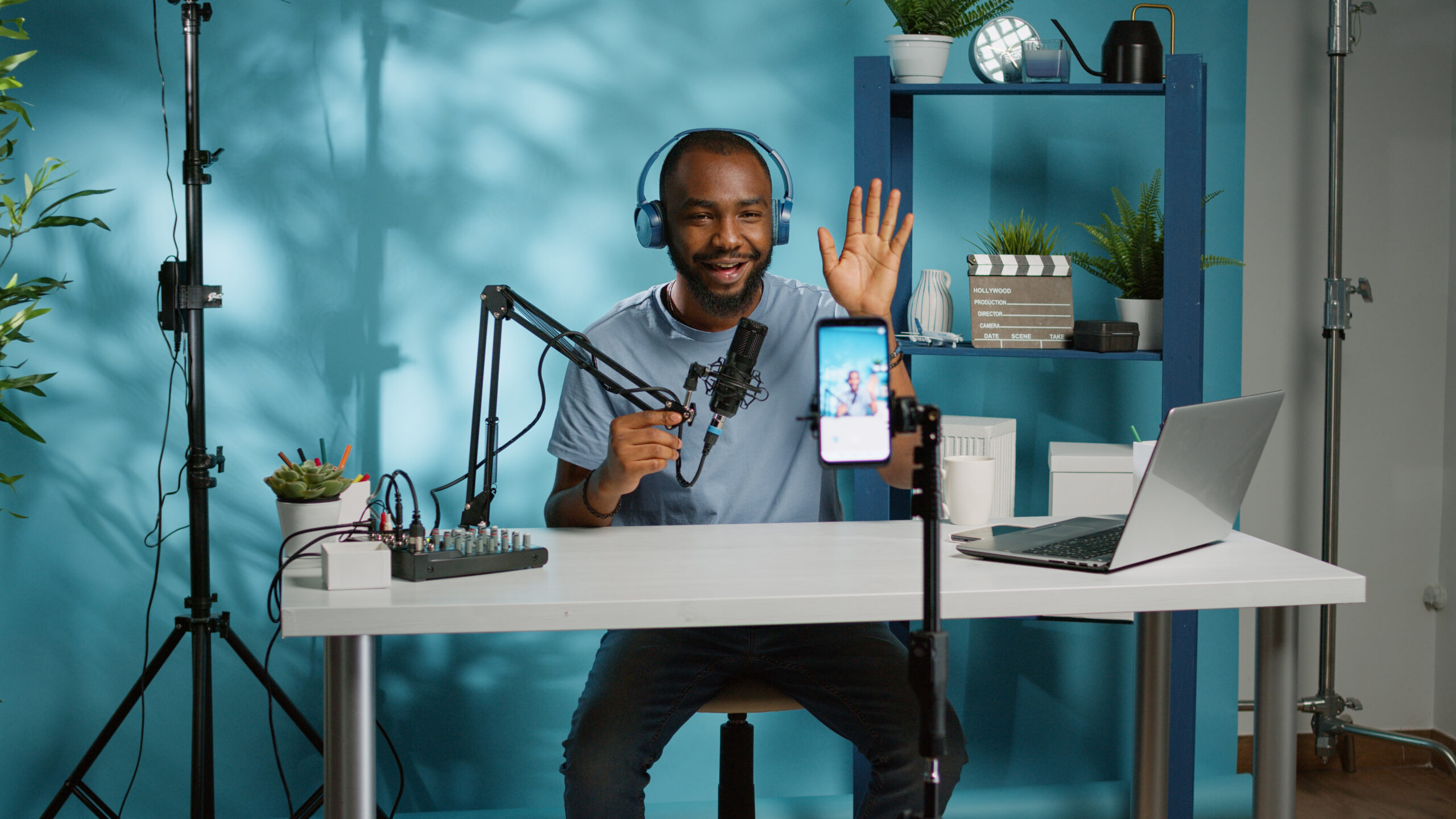
You’ve got something to say. You’re knowledgeable, you’re passionate, and somehow, on a random Tuesday afternoon, you decided you were going to start creating content.
Great decision. Truly. But then came the question that stops more creators than imposter syndrome ever could: what format should I actually use?
Video? Audio? Written? Short-form? Long-form? All of the above and somehow none of the above?
In 2026, the options are genuinely dizzying, and the internet will confidently tell you seventeen contradicting things. So let’s cut through the noise and have an actual, honest conversation about how to choose the right content format; for your message, your audience, and the version of yourself that has to show up and create it consistently.
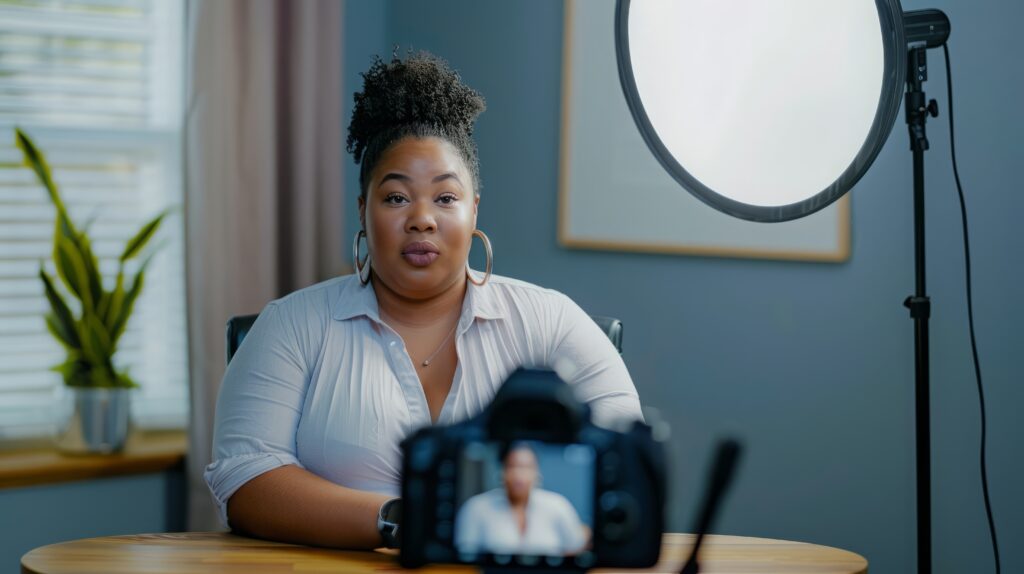
First, Why Does Format Even Matter?
Here’s a truth that doesn’t get said enough: great content in the wrong format is still the wrong content. You could write the most insightful blog post in human history, but if your audience lives on TikTok, they’re simply not going to read it. Format isn’t just packaging, it’s strategy. It determines where your content lives, who finds it, and whether people actually consume it or just scroll past it.
In 2026, audiences are consuming content across more platforms than ever, and the savviest creators aren’t picking one format and hoping for the best. They’re being intentional. So let’s break it down.
The Case for Audio: Podcasts Are Still Very Much a Thing
Every year, someone writes a ‘is podcasting dead?’ article. Every year, podcasting proves them wrong. The medium is stubbornly alive and doing quite well, thank you. And the reason is simple: audio fits into moments that video and text simply can’t. The morning commute. The gym. The kitchen while you’re cooking. The evening walk.

Audio is the format of choice when your audience doesn’t have the luxury of looking at a screen. It’s intimate, it’s personal, and a great podcast voice can make a listener feel like they’re having a conversation with a trusted friend, even if you’re recording in a studio and they’re on a treadmill. If you’re a strong conversationalist, love interview-style content, or want to go deep on complex topics without worrying about whether your lighting is flattering, audio might be your lane.
The catch? Audio is unforgiving. Background noise, poor microphone quality, and inconsistent audio levels will kill your credibility faster than a bad take. Your production environment matters; more than most beginner creators realise.
The Case for Video: The Algorithm Is Not Subtle About What It Wants
In 2026, video is the loudest format in the room. YouTube, TikTok, Instagram Reels, LinkedIn video, X; the platforms are practically begging creators to show up on camera. And it makes sense. Video is the closest thing to being in the same room as your audience. They can see your expressions, your energy, your environment. That builds trust in a way that’s genuinely hard to replicate in other formats.

Short-form video (think 60 to 90 seconds) is incredibly powerful for reach and discovery; it’s how new audiences find you. Long-form video builds depth and keeps your most engaged viewers around for longer. YouTube videos that are ten to twenty minutes long are still performing brilliantly for educational and storytelling content. If you want visibility and you’re willing to be on camera, video should be a serious part of your strategy.
The catch? Video has the highest production barrier. Lighting, background, camera quality, editing… there’s a lot to get right. And unlike audio, everything is visible. That noisy cafe in the background isn’t charming, it’s distracting. Which brings us to something rather important.
The Case for Both: Why the Smartest Creators Are Doing It All
Here’s what the data, and honestly, common sense, tells us: the creators growing fastest in 2026 are not format purists. They record a long-form YouTube video, pull clips for TikTok and Reels, strip the audio for a podcast episode, and turn the transcript into a blog post. One session. Four formats. Four audiences. That’s not being indecisive, that’s being smart with your time and your content.
The multi-format approach works because different people consume content differently. Some will watch you on YouTube. Others will never watch a video but will listen to every single podcast episode. Others will find you through a thirty-second clip and go down a rabbit hole of your content. When you show up across formats, you meet people where they already are, and that’s always better than asking them to come to you.
Where You Create Matters
You can have the best content strategy in the world, and a bad recording environment will undo all of it. We’re talking about the hum of an air conditioner mid-sentence, street noise crashing through an open window, or a background that looks like you’re presenting from a storage room. These things pull your audience out of the moment and quietly signal: this person isn’t quite serious yet.
This is exactly why Cafe One built the Creator Room.
Available at selected Cafe One hubs, the Creator Room is a dedicated studio space designed for exactly what you’re trying to do; whether that’s recording a podcast, filming a YouTube video, shooting TikTok content, or capturing anything in between. It’s acoustically treated, professionally set up, and built for creators who take their content seriously. No more improvising with a ring light in your bedroom or hoping the cafe you’re in stays quiet long enough for a clean take.
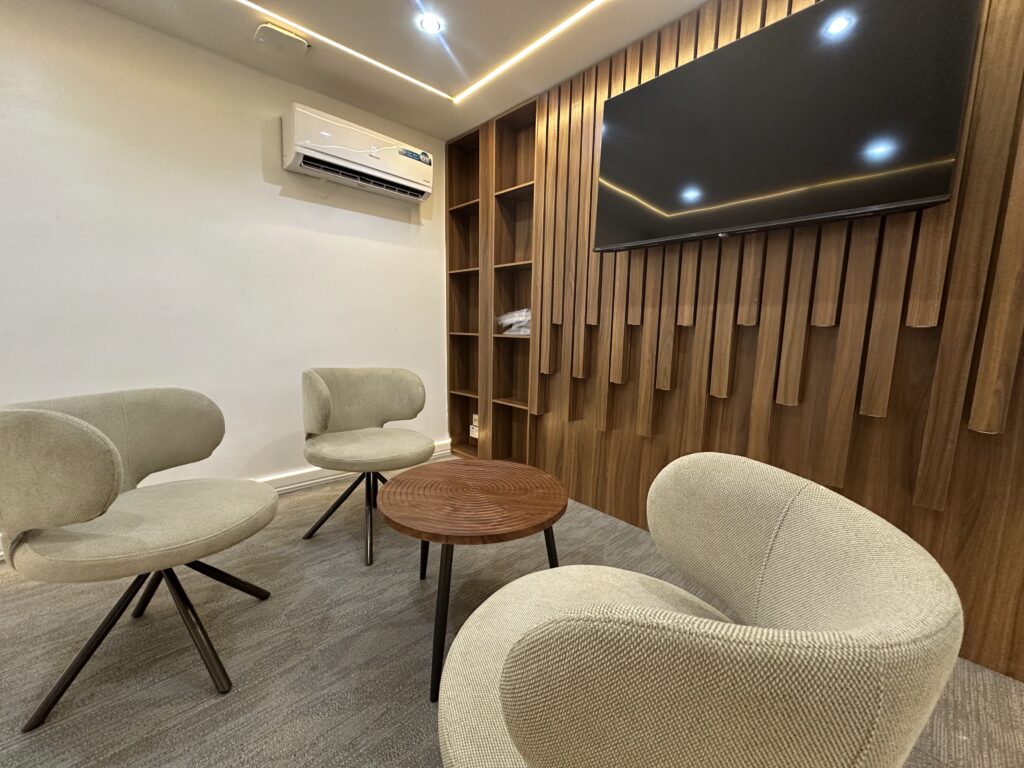
Think about what that actually unlocks. You walk in with your topic, your energy, and your ideas. Everything else is already handled. The acoustics are right. The setup is right. The environment tells your audience, before you’ve said a single word, that what they’re about to hear or watch is worth their time.
Whether you’re a solo podcaster building an audience, a YouTuber levelling up your production quality, a brand creating video content, or an entrepreneur who just wants to show up more professionally online, the Creator Room gives you the kind of space that was previously only available to people with big budgets or media house connections. Now it’s at your nearest Cafe One hub.
So, Which Format Should You Choose?
Here’s our honest answer: start with what you can do consistently, then expand. If you’re a natural talker, start with audio. If you’re comfortable on camera, lead with video. If writing is your strength, build your blog and repurpose into other formats over time. Consistency will always outperform perfection in content creation. The best format is the one you’ll actually stick to.
But when you’re ready to level up, when you want your content to sound and look like the ideas it carries, you need a space that matches your ambition. And that’s where the Creator Room comes in.
Find your nearest Creator Room here and book your session today. Your audience is already waiting; give them something worth showing up for.